Why Choosing a Reliable Residential Electrician Is Crucial for Your Safety
Finding a reliable household electrician is vital for maintaining the safety of your home. Electrical work requires precision and adherence to safety standards. Poor electrical installations can cause serious dangers, including electrical fires and shocks. A qualified electrician not only offers expertise but also necessary credentials and coverage. Understanding the risks of DIY solutions and the value of professional help can significantly improve home safety. What should homeowners consider when selecting the right expert for their electrical concerns?
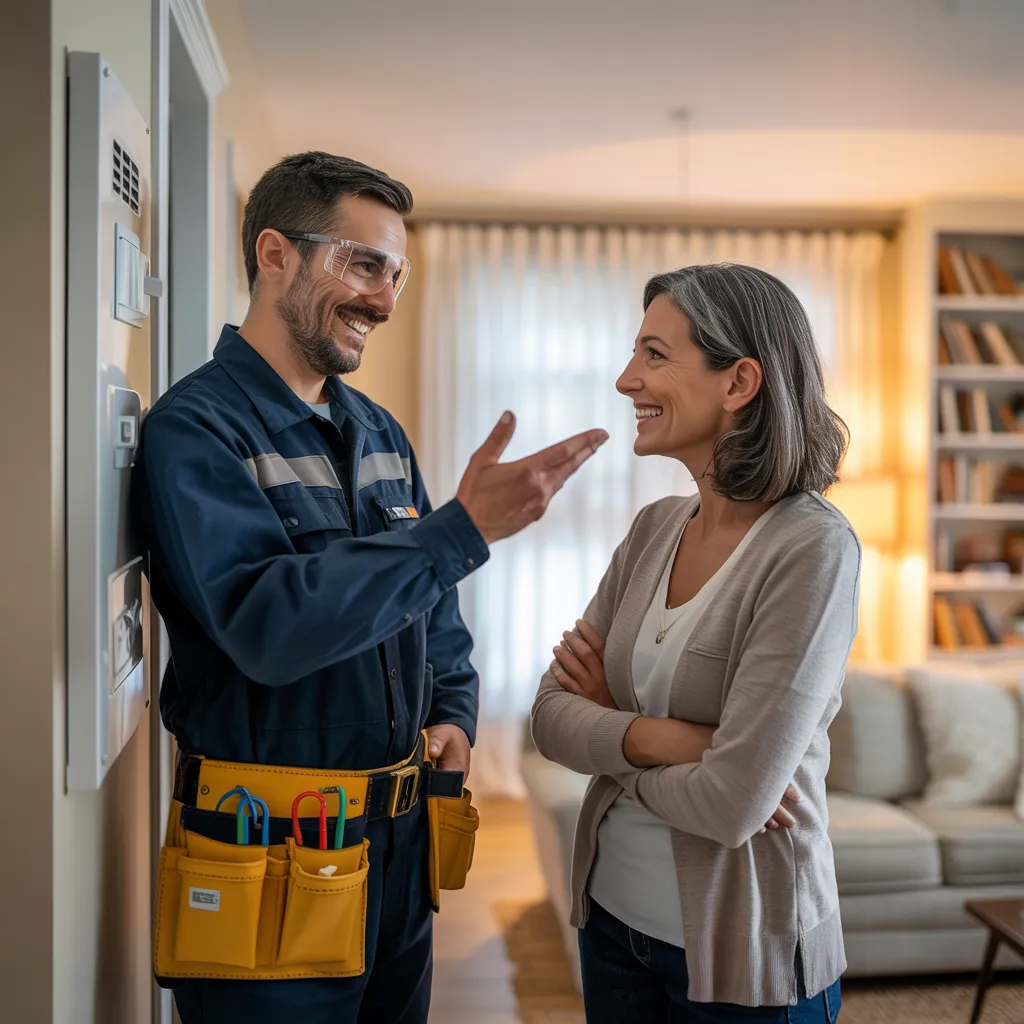
Why Attempting DIY Electrical Work Is Dangerous
Undertaking electrical projects yourself can lead to considerable risks that often surpass potential cost savings. Most homeowners underestimate the challenges of electrical systems, which can create dangerous situations. Defective wiring, as an example, can lead to dangerous fires, endangering the safety of lives and property. Additionally, inadequate installation of outlets or fixtures may introduce hazards that are not obvious at first, posing long-term safety risks.
Electrical codes and regulations are in place for good reason, ensuring safety and adherence to standards. Non-compliance with these regulations can lead to legal consequences and issues during home inspections. In addition, attempting DIY electrical work can result in expensive repairs when problems occur, negating any initial savings. In the absence of proper training and hands-on experience, people can miss important details, creating a more hazardous outcome. At the end of the day, employing a dependable residential electrician is vital for securing both safety and compliance, offering assurance that only qualified expertise can bring.
Typical Electrical Problems That Need Professional Assistance
Numerous homeowners frequently experience common electrical issues that demand the knowledge of a professional electrician. Intermittent lights, frequently a sign of loose connections or faulty wiring, can present significant safety hazards. In addition, constant circuit breaker interruptions may indicate a short circuit or overload, each of which demands prompt attention. Another common issue is non-functional outlets, which can stem from a range of issues, including damaged wiring or malfunctioning devices. Property owners might also observe hissing or buzzing sounds from switches and outlets, suggesting electrical arcing or damaged components. Additionally, an unexplained increase in energy bills might indicate hidden electrical problems. Finally, the occurrence of a burning scent near electrical installations should not be overlooked, as it can signal dangerous conditions. Addressing these issues promptly with the assistance of a certified electrician guarantees not only the safety of the home but also the longevity of its electrical systems.
Guide to Selecting a Qualified Electrician
When hiring a licensed electrician, it is important to confirm their qualifications and certifications to confirm compliance with local requirements. Additionally, evaluating their experience and expertise can provide insight into their capacity to address specialized electrical work. This thorough assessment helps homeowners reach well-informed conclusions and prioritize safety.
Validate Credentials And Licenses
To ensure the safety and quality of electrical tasks, checking the credentials and licenses of a prospective electrician is critical. This process ensures that the electrician has completed the necessary training and education to carry out electrical tasks safely and effectively. A qualified electrician has passed specific exams and follows national and local electrical codes, which shields homeowners from possible hazards. It is advisable to request copies of licenses and check their validity through local regulatory bodies. Furthermore, verifying any professional memberships or certifications can also reflect expertise. By implementing these measures, homeowners can significantly minimize the risk of engaging unqualified workers, thus improving both safety and overall satisfaction with the electrical services rendered.
Evaluate Experience And Expertise
Evaluating the skills and knowledge of an electrician is vital for ensuring superior results. A skilled electrician should possess a strong background in residential electrical work, ideally with multiple years of real-world experience. This background can be evaluated through client testimonials, web-based feedback, or trade references. Moreover, specialized training or certifications, such as those in energy-efficient systems or home automation, can reflect a more advanced level of proficiency. It is also beneficial to explore past work similar to the homeowner's needs, as this can offer a glimpse of the electrician's troubleshooting capabilities and versatility. In the end, hiring an electrician with a well-established reputation improves the likelihood of securing dependable and high-quality electrical work.
The Importance of Licensing and Insurance When Hiring an Electrician
Picking a residential electrician demands careful consideration of a number of factors, with insurance and licensing serving as fundamental necessities. A certified electrician showcases a level of expertise and commitment to industry standards, ensuring they have the necessary education and qualifications to perform electrical work with safety and efficiency. A license also functions as a protective measure for property owners, as it typically requires meeting examination requirements and pursuing continued education.
Insurance is just as critical, protecting both the electrician and the homeowner. In the event of accidents or damages during a project, insurance can cover repair costs and liability claims, reducing financial risk for homeowners. Without proper insurance, homeowners may be held responsible for injuries or property damage. Therefore, confirming an electrician's licensing and insurance is essential for guaranteeing a safe and dependable electrical installation, ultimately enhancing the overall safety and soundness of the home's electrical system.
Essential Maintenance Tips for a Safe Home Electrical System
Regular maintenance is essential for guaranteeing a properly functioning home electrical system. Homeowners should routinely inspect outlets and switches for any indicators of deterioration or defects, such as color changes or excessive heat. It is also advisable to check circuit go to article breakers to ensure they are operating properly and to address any tripped breakers immediately. Maintaining electrical panels free from dust and debris can improve safety and ease of access in emergency situations.
Additionally, homeowners ought to avoid overloading circuits by evenly distributing electrical loads among outlets. Employing surge protectors can assist in safeguarding appliances from electrical spikes. Regularly testing smoke and carbon monoxide detectors is crucial, as they are integral to the safety of your home. In conclusion, bringing in a professional electrician for regular yearly evaluations can uncover potential concerns in advance and confirm the electrical system runs efficiently, sustaining a safe living environment for all residents.
Evaluating Customer Reviews: What to Look For?
When looking for a dependable household electrician, consumer feedback serves as an essential guide for arriving at educated choices. Prospective customers should concentrate on particular elements within these reviews to evaluate the electrician's expertise and trustworthiness. First, search for comments on the standard of work performed; repeated commendations for precision and attention to detail are positive indicators. Additionally, examine the electrician's communication skills; reviews highlighting timely responses and clear explanations demonstrate a high level of professionalism.
In addition, take into account reviews regarding promptness and commitment to project timelines, as this indicates the electrician's regard for clients' time. To conclude, pay attention to how concerns are resolved; a conscientious electrician demonstrates a commitment to customer satisfaction. By reviewing these essential criteria in customer reviews, individuals can better identify electricians who emphasize excellence and safety in their work.
Popular Questions We Receive
What Qualifications Should I Look for in an Electrician?
When selecting an electrician, you should consider qualifications such as proper licensing, adequate insurance, relevant certifications, expertise in residential projects, positive customer reviews, and compliance with safety standards. Such criteria secure dependability and quality in electrical services.
How Can I Verify an Electrician's Credentials?
To validate an electrician's qualifications, you should review appropriate licensing, coverage, and professional certifications. Additionally, reading online feedback and obtaining recommendations from trustworthy contacts can give you a clearer picture of their professional competence and dependability.
What Should I Expect During an Electrical Inspection?
Throughout an electrical inspection, you can expect a comprehensive assessment of outlets, panels, and wiring. The licensed electrician will evaluate for safety hazards, code compliance, and perform necessary tests to confirm the system operates properly and efficiently.
How Can Electrical Codes Influence My Home?
Electrical standards establish safety standards that ensure installations remain safe and effective. They influence wiring, grounding, and equipment specifications, serving to prevent dangers like fires and electrical shocks, ultimately safeguarding both property and occupants.
What Are the Indicators of a Quality Electrician?
An excellent electrician shows timeliness, holds appropriate certifications, communicates clearly, delivers thorough estimates, and displays exceptional problem-solving abilities. Additionally, positive customer reviews and a solid warranty on work are key indicators of reliability and professionalism.